Exploring the Heart of Nature: Sustainable Practices for Woodland Management
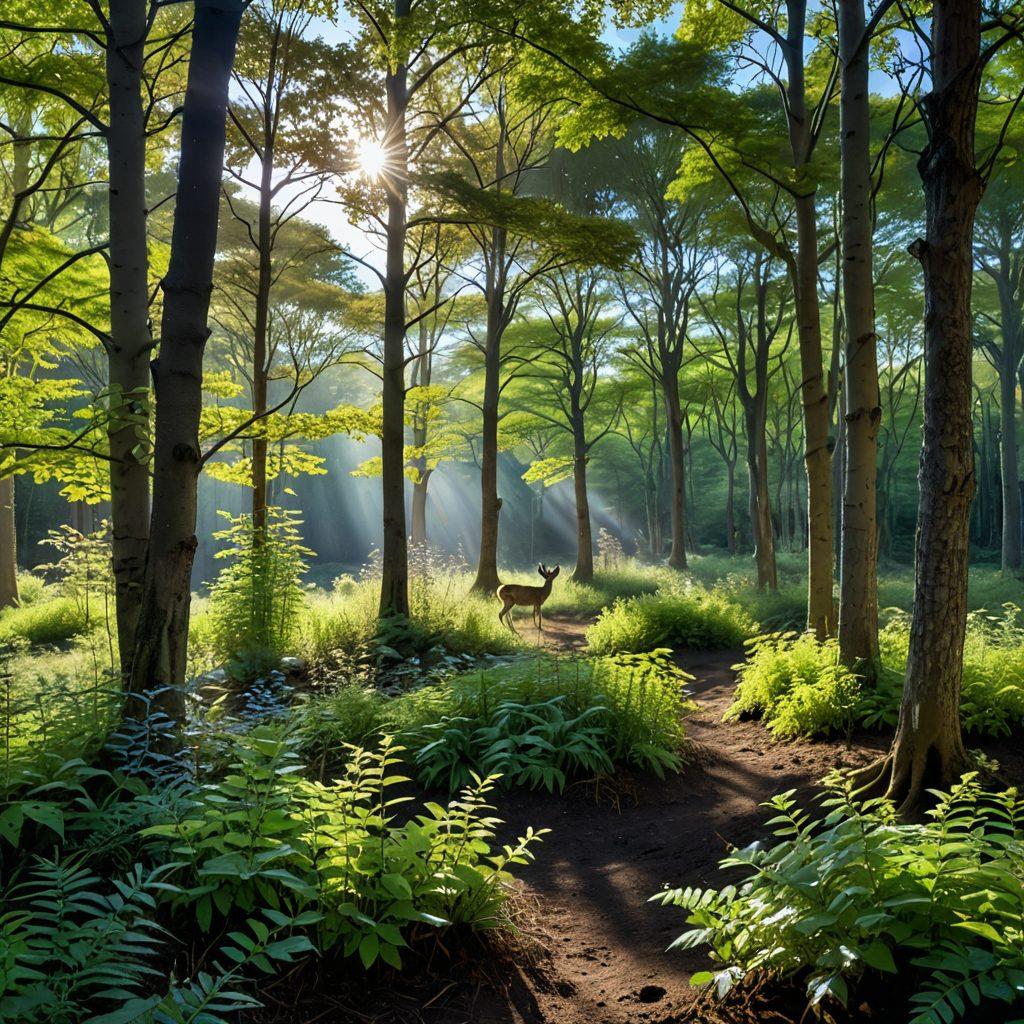
Imagine stepping into a vibrant woodland, where the sun filters through the leaves, casting a mosaic of light and shadow on the forest floor. The air is filled with the sound of rustling leaves and the songs of chirping birds, creating a symphony of nature that invigorates the soul. But did you know that this beautiful ecosystem is not just a backdrop for adventure, but a complex network that requires our attention and care? Sustainable practices in woodland management are essential to nurture biodiversity and maintain the delicate balance of these rich ecosystems. As we delve into the heart of nature, let’s explore how our actions can contribute to the vitality of these green realms.
Sustainable woodland management is more than a buzzword; it’s a pathway to reviving our natural world. With the increasing pressures of urbanization and climate change, the call for responsible forestry practices has never been more urgent. According to recent environmental science studies, integrating sustainability in our forest management techniques can enhance the health of the biome, thereby nurturing diverse habitats that thrive with wildlife. From planting native trees to implementing agroforestry practices, there are countless ways for enthusiasts and professionals alike to support our woodlands and promote eco-friendliness. Are you ready to become a steward of the forest?
Let’s dive deeper into the importance of biodiversity within these woodlands. Biodiversity refers to the variety of life found in a particular habitat and its importance cannot be overstated. Healthy ecosystems boasting a variety of species are more resilient to climate shifts, pest outbreaks, and diseases. In fact, a well-maintained garden within your woodland could serve as a sanctuary for pollinators such as bees and butterflies, crucial players in both the forest ecosystem and our food systems. The beauty of it all lies in the interconnectedness of life; each creature, plant, and tree plays a role in the larger environmental network. What will you do to contribute to this circle of life?
When we shift towards sustainable practices, we’re not simply caring for trees; we’re ensuring that future generations enjoy the same outdoor adventures we do today. Reforestation initiatives, careful management of natural resources, and conscious landscaping not only beautify our spaces but also create habitats for diverse flora and fauna. As a passionate advocate for conservation, I often reflect on the wise words of John Muir: "In every walk with nature, one receives far more than he seeks." How can you take action today that echoes this sentiment?
As we stand at the crossroads of conservation and adventure, we must make conscious decisions that reflect our commitment to sustainability. It’s not just about enjoying the beauty of woodlands but recognizing the intrinsic value of every tree and plant as part of a larger ecosystem. By harnessing the power of platforms like MyForester and engaging with local communities, we can foster a movement that prioritizes eco-friendliness in forest management. Our shared responsibility involves educating ourselves and others about the delicate balance of nature, ensuring that our actions today lead to a healthier, more sustainable tomorrow. So, how will you play your part in nurturing these sacred places?
Embracing Eco-Friendliness: How Responsible Forest Management Supports Wildlife and Adventure
Have you ever stood among towering trees, feeling the crunch of leaves beneath your feet, and sensed the mighty presence of nature all around you? Just imagine a world where our outdoor adventures thrive in perfectly balanced ecosystems, where biodiversity flourishes thanks to responsible forest management. In this blog, we will dive into the heart of nature and explore how embracing eco-friendliness not only nurtures wild habitat, but also elevates our outdoor experiences. Whether you're an avid hiker, a conservation enthusiast, or simply someone who loves the trees, the call of the woodland urges us to protect and cherish our natural surroundings.
When it comes to sustainable forestry, it’s not just about cultivating trees and plants; it’s about fostering entire ecosystems. Effective forest management promotes biodiversity, allowing wildlife to thrive. As the saying goes, 'When one plant thrives, life flourishes.' Picture a forest rich with flora that provides shelter, food, and breeding grounds for countless species. There's beauty in the interplay between trees and wildlife, and responsible stewardship is fundamental to ensuring these natural resources remain vibrant for generations to come. After all, our adventures in nature would be less fulfilling without the companions we share them with, wouldn't you agree?
Imagine yourself on a hike through a pristine woodland, where you can hear the gentle whisper of leaves dancing in the breeze and spot a shy deer grazing nearby. Sustainable practices in forest management not only preserve these enchanting environments; they enhance our outdoor adventures too. By promoting eco-friendly forestry, we nurture habitats that support wildlife and encourage biodiversity. Leading experts in environmental science advocate for methods like reforestation and agroforestry, which strengthen our ecosystems while still providing for human needs. So, let’s discuss ways we can ensure our adventures are rooted in respect for nature.
Engaging with the environment starts with small, actionable steps. If you’re passionate about preserving the beauty of woodlands and ensuring sustainable practices, consider volunteering for local reforestation projects or participating in organized clean-up days in nature. These acts of conservation prove that we can all play a role in protecting our planet. Moreover, 'the best time to plant a tree was twenty years ago; the second best time is now.' Every effort contributes to creating healthier habitats, which in turn enriches our outdoor experiences, sparking a deeper connection to the world around us.
In today’s world, where climate change looms large, embracing eco-friendliness in forestry is a bright path toward achieving sustainability. Each tree plays a crucial role in combating air pollution, stabilizing the climate, and preserving the delicate balance of our biomes. So, whether you're enjoying a picnic under wide canopies or simply strolling through your local garden, think about the role you can play in forest management. Together, we can cultivate a future where the embrace of nature leads to adventure, wonder, and lasting environmental stewardship. So, what will your next adventure look like, knowing you’re part of its conservation?
From Trees to Climate: The Essential Guide to Conservation and Green Living in Woodlands
Imagine standing in the dappled sunlight of a serene woodland, where the sound of rustling leaves dances with the melodies of chirping birds. This is not just a place to escape the hustle and bustle; this is a living ecosystem that breathes life into the planet. In our quest for sustainability and eco-friendliness, understanding the intricate relationship between trees, wildlife, and our environment becomes essential. With the help of innovative solutions like myforester, let's delve into the world of woodland management and discover how we can foster green living while conserving the natural resources we often take for granted.
The term ‘green living’ can sometimes feel elusive, a lofty goal just beyond reach. However, let’s break it down: sustainable practices in forestry and forest management are not merely a niche interest; they are a vital part of our collective responsibility towards the environment. Ask yourself: How can we enhance the biodiversity of our woodlands while also enjoying the adventure they offer? The answer lies in embracing various initiatives like reforestation, agroforestry, and responsible landscaping. These methods not only protect our arboreal wonders but also ensure that the ecosystem thrives for generations to come.
Consider the majestic oak tree standing tall, its heavy branches serving as a habitat for numerous species of wildlife. Trees are more than just wooden giants; they are guardians of our climate, absorbing carbon dioxide and providing oxygen. However, they are under threat from urban expansion and climate change. What can we do to protect them? By engaging in initiatives like organic woodland gardening, we can create spaces that support both plant and animal life, fostering environments rich in biodiversity. Imagine planting native species that not only beautify our landscapes but also provide crucial habitats for local wildlife!
Creating and maintaining such green spaces requires dedication and education. Enter the world of environmental science, a treasure trove of knowledge that helps us understand the delicate balance of our natural habitats. It’s about more than just planting a tree; it’s about recognizing the interconnectedness of all living things. So, how can we take actionable steps towards this? Start small—perhaps by joining a local conservation group, volunteering for reforestation projects, or even starting your own backyard garden filled with native plants. These small actions can have a ripple effect, enhancing our ecosystems and promoting sustainable living.
As we explore the heart of nature, we must remember that the beauty of our woodlands comes with a responsibility. Sustainable practices in woodland management are not just for experts; they are for anyone who loves the outdoors and the wonders of nature. Embrace your role as a steward of the environment. Whether you're trekking through a forest trail, participating in wildlife preservation, or simply enjoying the beauty of a garden filled with indigenous plants, every step you take toward conservation matters. So, are you ready to answer the call of the wild and embark on your adventure in sustainability?